
About
Video trailer of anatomy zero projects
formed in 2020, anatomy zero is an interdisciplinary dance project guided by movement and media artist Scotty Hardwig together with collaborative and international teams of artists. Emphasizing experimental artmaking practices that combine numerous creative languages, the project creates chimeric works of movement art for screen and stage.
About Scotty Hardwig
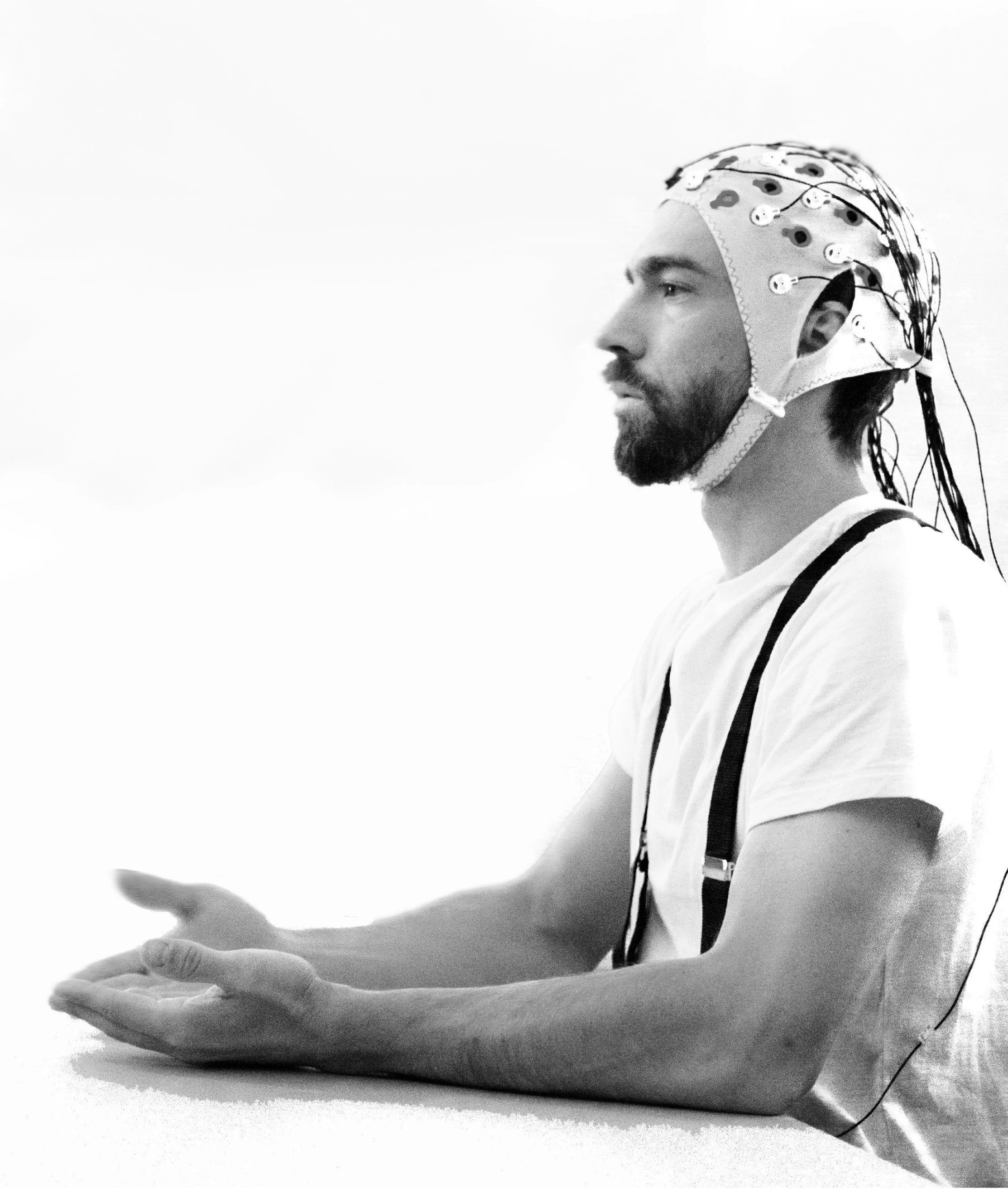
photo by Jonathan Mehring, courtesy of the New York Times
Scotty Hardwig is a somatic artist and teacher born and currently based in the Appalachian mountains of southwest Virginia whose work blends artistic, scientific and humanistic approaches to the body. His training as a professional dancer and performer has spanned a wide breadth of physical studies and movement philosophies, including kunga and ashtanga yoga, Gyrotonic/Gyrokinesis, capoeira, somatics, contact improvisation, movement meditation, anatomy, and kinesiology. His creative research projects emerge from the confluence of choreographic art and sensorial media, placing the body between the environment and human technology. His award-winning dance works have been called “dance science fiction” (National Public Radio/NPR) and “beautiful and eerie” (New York Times), and his projects blend multiple forms of performance from stage to screen. His past artistic and scientific projects span a diverse range of interdisciplinary methodologies and technologies, including motion capture and projection mapping for live performance, dances in virtual reality, multi-continent telematic performances, teleoperated robots and unmanned aerial vehicles (drones), and live electroencephalography to visualize the brain activity of dancers during varied embodied states. In addition to being a choreographer and somatic researcher, he is also an internationally award-winning dance filmmaker, and his screendances have been shown at film festivals in the Americas, Europe, Africa, and Asia.
As the co-director of the Science & Art of Motion Lab within the Institute for Creativity, Arts and Technology (ICAT) at Virginia Tech, he works collaboratively with neuroscientists and biomedical engineers to investigate the effects of movement on the human brain and to invent and experiment with innovative training and intervention systems for injury prevention and sustainable practices for dancers and athletes. As an educator, he teaches classes and open workshops in dance, choreography, and media arts in the United States and internationally. He has formerly served on the dance faculty at the University of Utah and Middlebury College, and has given guest workshops at institutions such as the University of Panamá, the Escuela Profesional de Danza de Mazatlán (EPDM), Smith College, Amherst College, and the School of Contemporary Dance and Thought. He received his MFA in contemporary dance from the University of Utah, and currently serves as an Associate Professor at the Virginia Tech School of Performing Arts.